

To protect San Antonio pipes before a hard freeze, insulate any pipe exposed to outside air, disconnect and cover outdoor faucets, drain irrigation lines, let at-risk faucets drip, and learn where your main water shutoff is. Winter Storm Uri in February 2021 left burst pipes across the city. Knowing your shutoff is the step that saves the most damage.
Updated September 2026. Written by Jim Rodela, Texas Master Plumber M-44546.
Key facts
- Uri in San Antonio: “several inches of snow and extreme cold led to widespread, prolonged power and water outages, closures of roads and businesses, and burst pipes throughout the City.” Hundreds of thousands of San Antonio residents lost power for several days in freezing temperatures (City of San Antonio, Community Emergency Preparedness Committee Report, June 24, 2021).
- Uri statewide: water disruptions peaked at about 14.9 million Texans, and more than 1.4 million still had disruptions on February 24, 2021 (Texas Tribune).
- Why pipes burst: “In very cold weather, ice can form in plumbing exposed to frigid air. Over time, this can cause the pipe to burst” (SAWS Be Ready).
- SAWS emergencies: water and sewer emergencies go to 210-704-SAWS (7297), which SAWS lists as staffed around the clock (SAWS freeze prep).
Why San Antonio homes are at risk
San Antonio does not freeze often, and many homes are built for heat, not cold. Pipes run through attics, exterior walls, garages, crawl spaces and outdoor hose bibs. In a typical winter, that is fine. In a storm like Uri, a long stretch below freezing plus a power outage turns those spots into weak points. Ice expands, pressure builds between the ice and a closed faucet, and the pipe splits. The leak often starts when the pipe thaws.
Freeze-prep checklist
Do these before the first hard freeze of the season. Most take minutes.
Outside
- Disconnect garden hoses from every outdoor faucet. A hose left on traps water in the faucet.
- Cover outdoor faucets with an insulated faucet cover.
- Shut off and drain irrigation lines and the sprinkler supply, if your system has a separate shutoff.
- Insulate exposed pipes on exterior walls, at the water heater in the garage, and anywhere the pipe runs above ground. Foam pipe sleeves are cheap and quick.
- Protect the pool equipment. SAWS has a separate section on preventing swimming pool damage on its Be Ready page.
Inside
- Find your main water shutoff and make sure it turns. Tag it so everyone in the house can find it.
- Open cabinet doors under sinks on outside walls, so house heat reaches the pipes.
- Let at-risk faucets drip during a hard freeze, hot and cold. Moving water is slower to freeze, and an open faucet relieves pressure.
- Keep the thermostat steady day and night during the freeze, even if you are away.
- Close the garage door if water lines or the water heater are in the garage.
- Check the attic. Pipes in an unconditioned attic need insulation over them, not just under them.
Plan for a power outage
- Know how to shut off the water heater (gas valve or breaker) in case you must drain the house.
- Store drinking water. Uri showed that water service can go down across a city. SAWS covers emergency supplies and boil water notices on its Be Ready page.
- If you leave home for a long freeze, consider shutting off the main and draining the lines by opening the lowest faucet.
Landlords and rental owners
Tenants often do not know where the shutoff is, and they may not be home when a pipe splits. Before winter, show each tenant the main shutoff, put a tag on it, and leave your number and a plumber’s number by the water heater. For a vacant unit, set the thermostat, open the cabinet doors, and have someone check it after each hard freeze. A burst pipe in an empty house can run for days.
If a pipe bursts: do this
- Shut off the main water valve at the house right away.
- If you cannot shut it off, or the break is at or near the meter, call SAWS at 210-704-SAWS (7297).
- Turn off the water heater. Turn off the gas valve or the breaker. A water heater running without water can be damaged.
- Open a faucet at the lowest point of the house to drain the lines and relieve pressure.
- Turn off power to any area where water is near outlets or fixtures, if you can do it safely.
- Move valuables out of the water and take photos for insurance.
- Call a licensed plumber for the repair.
Do not use an open flame to thaw a frozen pipe. A hair dryer or a space heater kept at a safe distance is safer, and a pipe that has frozen may already be split.
After the freeze
A split pipe does not always leak right away. Once temperatures rise:
- Turn the main back on slowly and listen for running water with every faucet closed.
- Watch your water meter for a minute with everything off. If it moves, you have a leak somewhere.
- Check the attic, garage and outside walls for damp spots.
- Check outdoor faucets. A faucet can crack inside the wall and only leak when you turn it on in spring.
When to call a plumber
Call a plumber for any burst pipe, any leak you cannot find, and any frozen pipe inside a wall or slab.
We are open Monday to Friday, 8am to 5pm, with emergency service after hours. One customer’s review describes a pipe break under their house on the Friday night before a holiday weekend, with our plumber there within the hour. In a citywide freeze, every plumber is busy, so prepare now and call early. We quote a flat price before repair work starts.
See emergency plumbing or residential plumbing, or call (210) 753-2290. For water heaters damaged in a freeze, read our water heater replacement guide.
Jim Rodela is a Texas Master Plumber, license M-44546 (TSBPE licensee list).
Sources
- City of San Antonio, Community Emergency Preparedness Committee Report (June 24, 2021): https://www.sanantonio.gov/Portals/5/files/CEP%20Report%20Final.pdf
- Texas Tribune, “Texas water winter storm” (February 24, 2021): https://www.texastribune.org/2021/02/24/texas-water-winter-storm/
- SAWS, be ready for freezing weather: https://www.saws.org/be-ready-for-freezing-weather/
- SAWS, Be Ready: https://www.saws.org/beready/
- TSBPE, licensee list: https://tsbpe.texas.gov/free-licensee-list/
Related services
Continue with another service
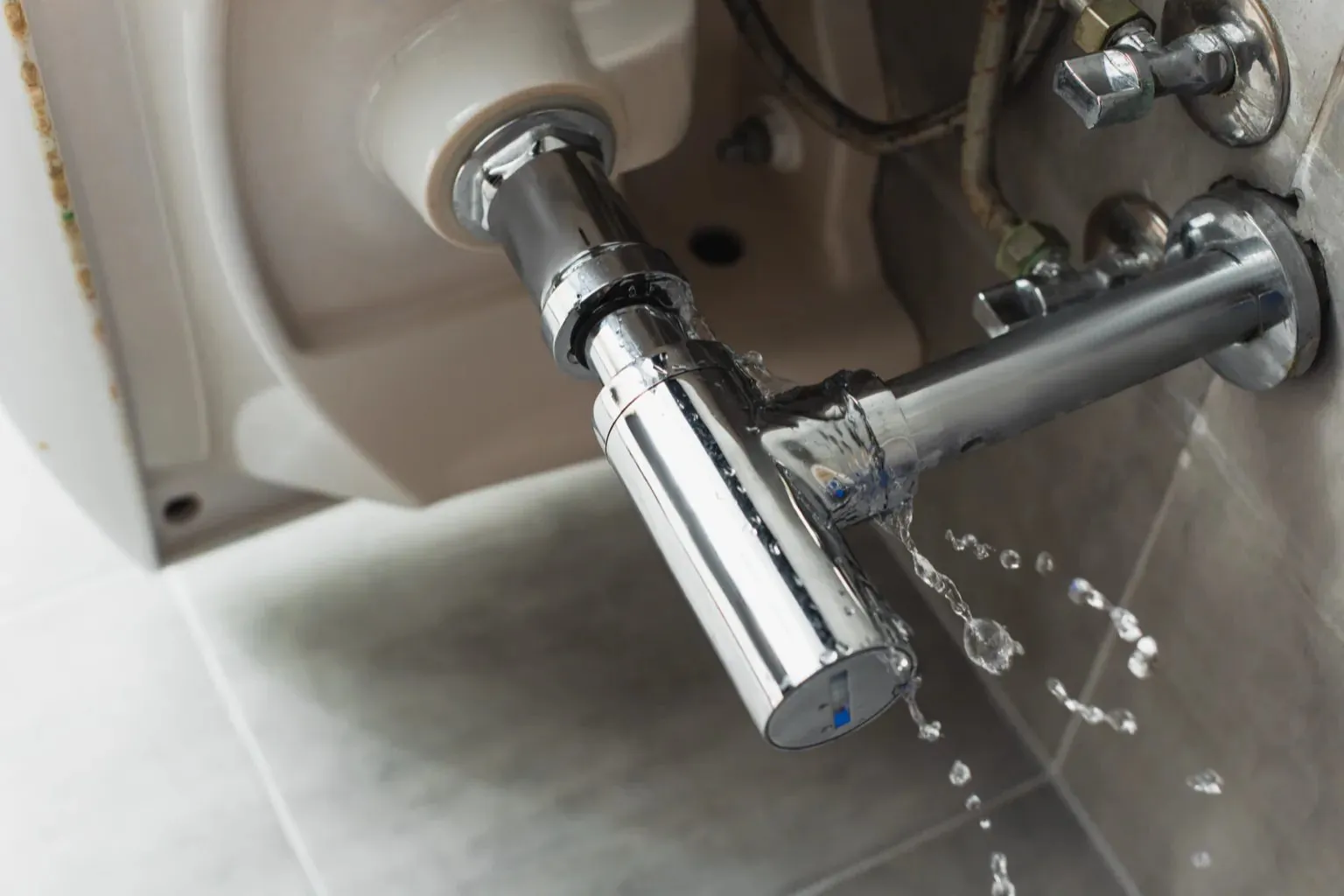
Emergency Plumbing
After-hours emergency plumbing in San Antonio for burst pipes, major leaks, failed water heaters and gas problems. Call (210) 753-2290.
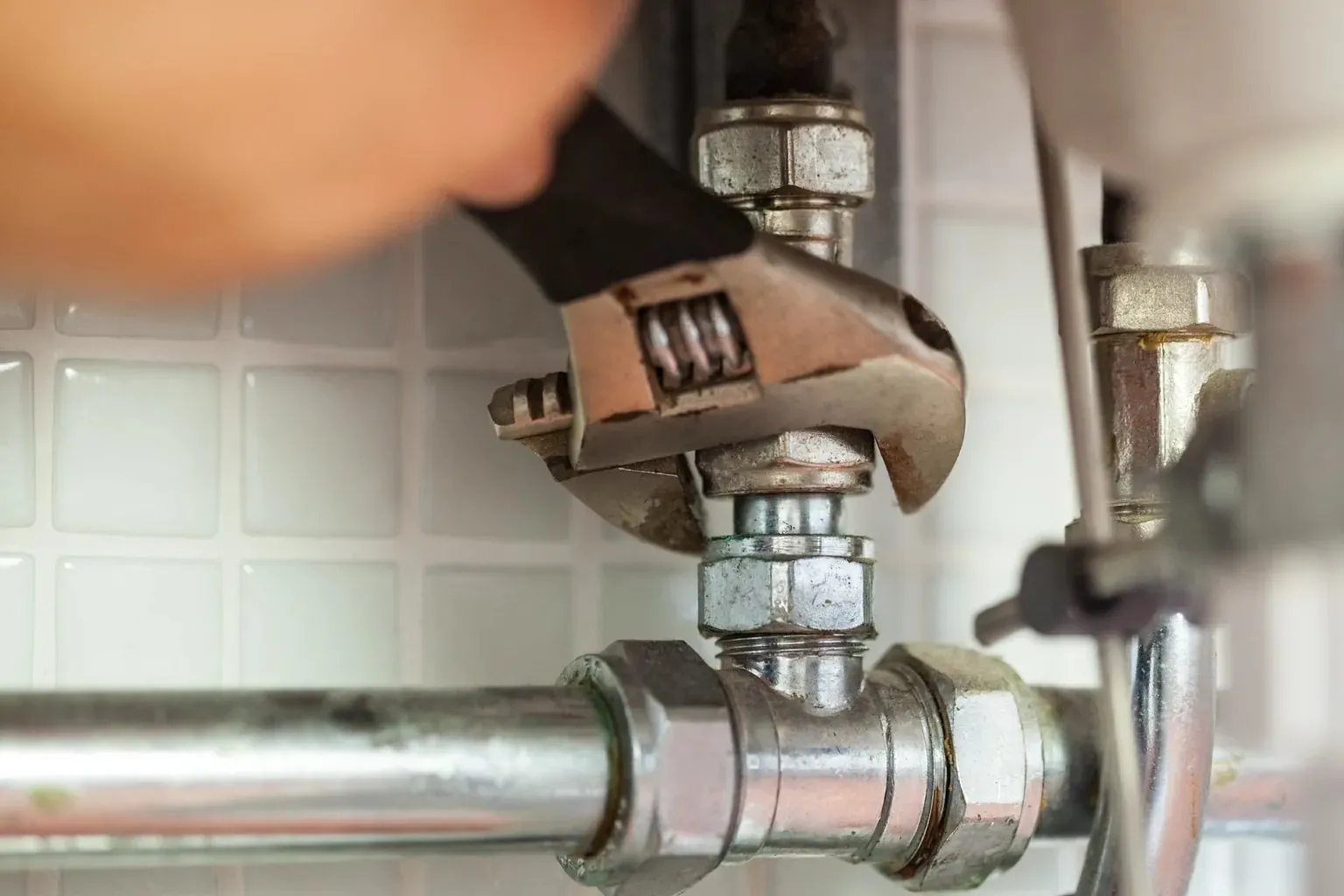
Residential Plumbing
Full-service plumbing for San Antonio homeowners — from routine repairs to complex jobs handled with honesty and care.
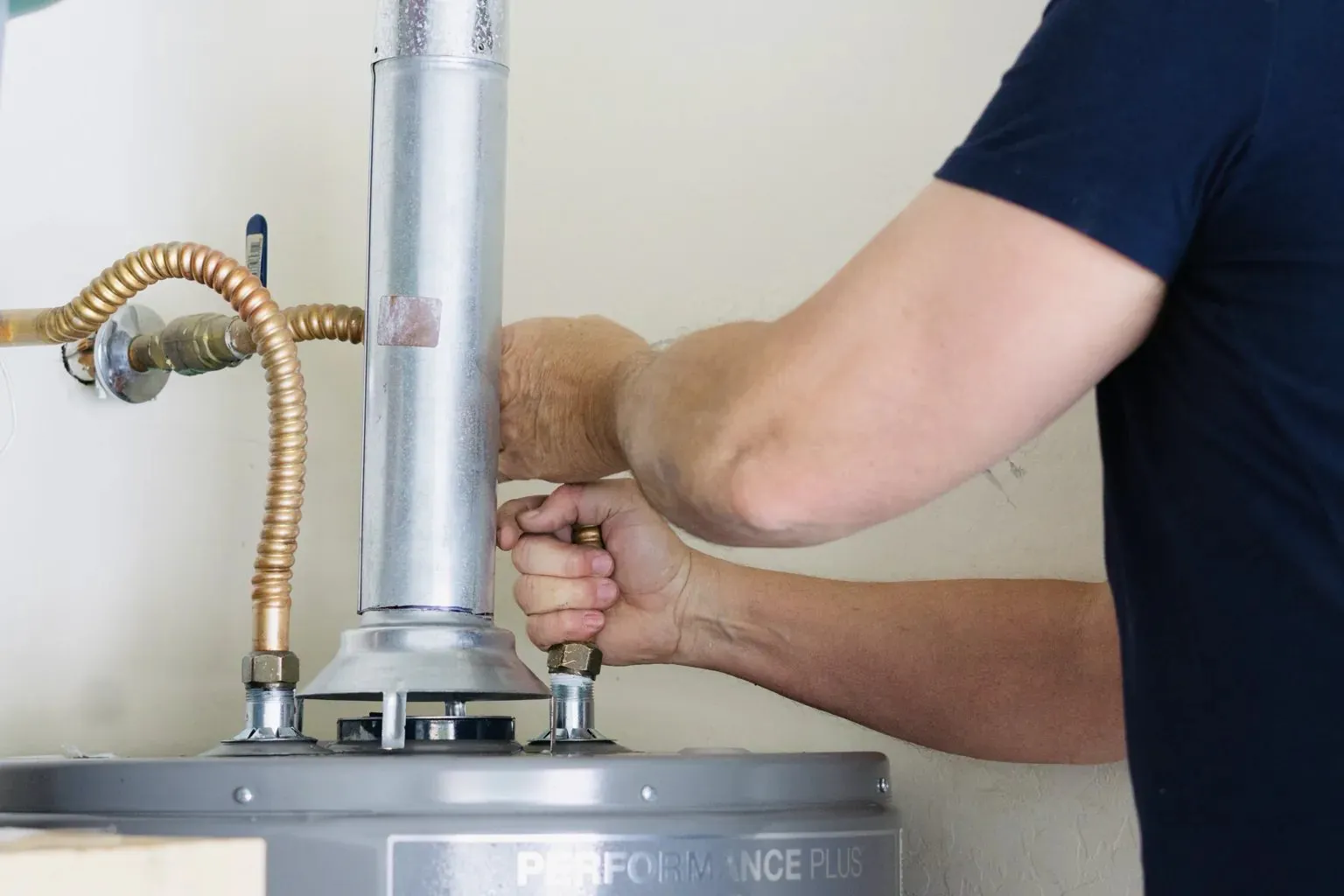
Water Heater Installation
Tank water heater replacement and tank-to-tankless conversions in San Antonio, with the right city permit, correct gas sizing, and a flat-rate quote before work starts.