

SAWS says the typical hardness of San Antonio’s tap water is 15 to 20 grains per gallon, mostly calcium and magnesium from the Edwards and Trinity aquifers. That is well past the USGS “very hard” line. It is safe to drink, but it leaves scale in water heaters, faucets, shower heads and pipes. A softener is the main fix.
Updated September 2026. Written by Jim Rodela, Texas Master Plumber M-44546.
Key facts
- SAWS hardness: “The typical hardness in the water provided by SAWS ranges from 15 to 20 gpg (grains per gallon)” (SAWS water quality FAQ).
- Where it comes from: naturally occurring calcium and magnesium, from the Edwards and Trinity aquifers. SAWS also draws on the Carrizo, Simsboro and Wilcox aquifers (same source).
- Health: SAWS notes hardness is not a health concern (same source).
- How hard is that? USGS calls water over 180 mg/L (as calcium carbonate) “very hard” (USGS Water Science School). One grain per gallon is about 17.1 mg/L, so 15 to 20 gpg is roughly 257 to 342 mg/L.
- Chlorine: SAWS adds about 1 ppm chlorine to keep water free of bacteria in the pipes (SAWS FAQ).
How hard is San Antonio water, really?
| Hardness class (USGS) | mg/L as CaCO₃ | Grains per gallon (approx.) |
|---|---|---|
| Soft | 0 – 60 | 0 – 3.5 |
| Moderately hard | 61 – 120 | 3.6 – 7.0 |
| Hard | 121 – 180 | 7.1 – 10.5 |
| Very hard | over 180 | over 10.5 |
| SAWS typical | ~257 – 342 | 15 – 20 |
Sources: USGS for the classes; SAWS for the local figure. Grains-per-gallon columns are converted at 17.1 mg/L per grain.
If you get water from a private well or a different utility in New Braunfels or Converse, your number may differ. Ask your utility or test it.
What hard water does to your plumbing
USGS explains the mechanism plainly. When hard water is heated, “solid deposits of calcium carbonate can form.” Those deposits can “reduce the life of equipment,” “raise the costs of heating the water,” and “clog pipes.” Over time, scale narrows a pipe’s inside diameter, which means “less water movement through the pipe and a lowering of water pressure.”
Here is how that shows up in a San Antonio house:
Water heaters
- Tank heaters collect a layer of mineral sediment on the bottom. It sits between the burner or element and the water, so the heater runs longer to heat the same water. You may hear popping or rumbling.
- Tankless heaters build scale inside the heat exchanger. Flow drops, and many units throw error codes when scale gets bad.
- More on this in our water heater replacement guide.
Faucets, shower heads and toilets
- White crust on faucet aerators and shower heads.
- Shower heads that spray sideways or lose pressure.
- Toilet fill valves and flappers that stick or run.
- Spots on glass shower doors and fixtures.
Pipes and valves
- Scale narrows pipe and valve openings over time, which lowers pressure at the tap.
- Shutoff valves that have not moved in a long time can seize with scale. Test yours before you need it in an emergency.
Appliances
- Dishwashers, ice makers and washing machines see the same scale on their valves and heating parts.
Fixes that actually help
1. A water softener
A softener removes the calcium and magnesium that cause scale. It is the main fix for 15 to 20 gpg water. It goes in at the main line so the whole house, including the water heater, gets softened water. Many homes put a bypass on the line to outdoor hose bibs.
We have installed a water softener and a whole-home filter together for a San Antonio customer. See water softeners and filtration.
2. Whole-home filtration
A softener handles hardness. A whole-home filter is aimed at taste and odor, such as the chlorine SAWS adds for safe delivery. Many homes pair the two.
3. Flushing a tank water heater
Flushing drains sediment out of the bottom of a tank. If your tank has never been flushed, call first: heavy sediment can clog the drain valve, and an old valve can leak after it is opened. A plumber can flush it, check the anode rod, and tell you whether the tank has life left.
4. Descaling a tankless heater
Tankless units have service valves for flushing the heat exchanger with a descaling solution. Follow the manufacturer’s schedule. Hard water means you may need it more often.
5. Cleaning aerators and shower heads
Unscrew the aerator or shower head and soak it in white vinegar to loosen scale. SAWS also recommends cleaning faucet aerators when water looks cloudy.
Permits for softeners in San Antonio
San Antonio’s Limited Service and Repair (LSR) permit covers two softener jobs: replacing an existing softener with the same type and size, and installing a softener in a building already pre-plumbed for one (DSD Information Bulletin 121c). A licensed plumber does the work and pulls the permit within 3 working days after.
A softener that needs new piping, or a change in size (the bulletin’s example is a 1-inch unit swapped for a ¾-inch), needs a regular permit and inspection. If your home has a multipurpose residential fire sprinkler system, softeners and filters cannot be added to it without a fire protection specialist’s review (same bulletin).
When to call a plumber
Call when you want a softener or filter installed, when your water heater is loud or slow, or when pressure has dropped at more than one fixture. We quote a flat price before work starts, and a new softener goes in with the right permit.
See water softeners and filtration or residential plumbing, or call (210) 753-2290, Monday to Friday 8am to 5pm. Jim Rodela is a Texas Master Plumber, license M-44546 (TSBPE licensee list).
Sources
- SAWS, water quality FAQs: https://www.saws.org/your-water/water-quality/saws-water-quality-concerns/faqs/
- USGS Water Science School, hardness of water: https://www.usgs.gov/special-topics/water-science-school/science/hardness-water
- City of San Antonio DSD, Information Bulletin 121c (revised August 4, 2026): https://docsonline.sanantonio.gov/FileUploads/dsd/IB121c.pdf
- TSBPE, licensee list: https://tsbpe.texas.gov/free-licensee-list/
Related services
Continue with another service
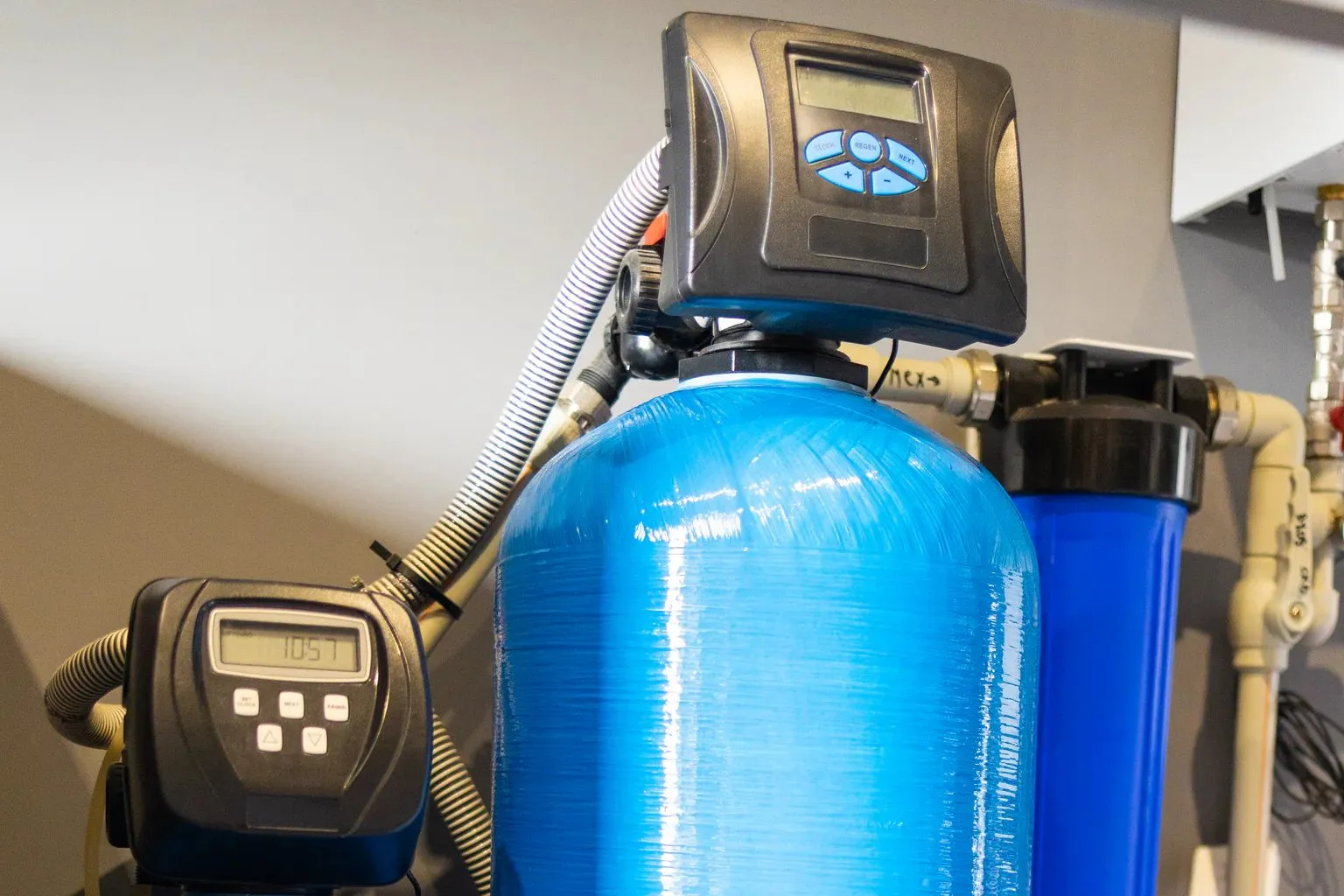
Water Softeners & Filtration
Water softener and whole-home filter installation for San Antonio homes, where SAWS water runs 15 to 20 grains per gallon of hardness. Flat-rate quote before work starts.
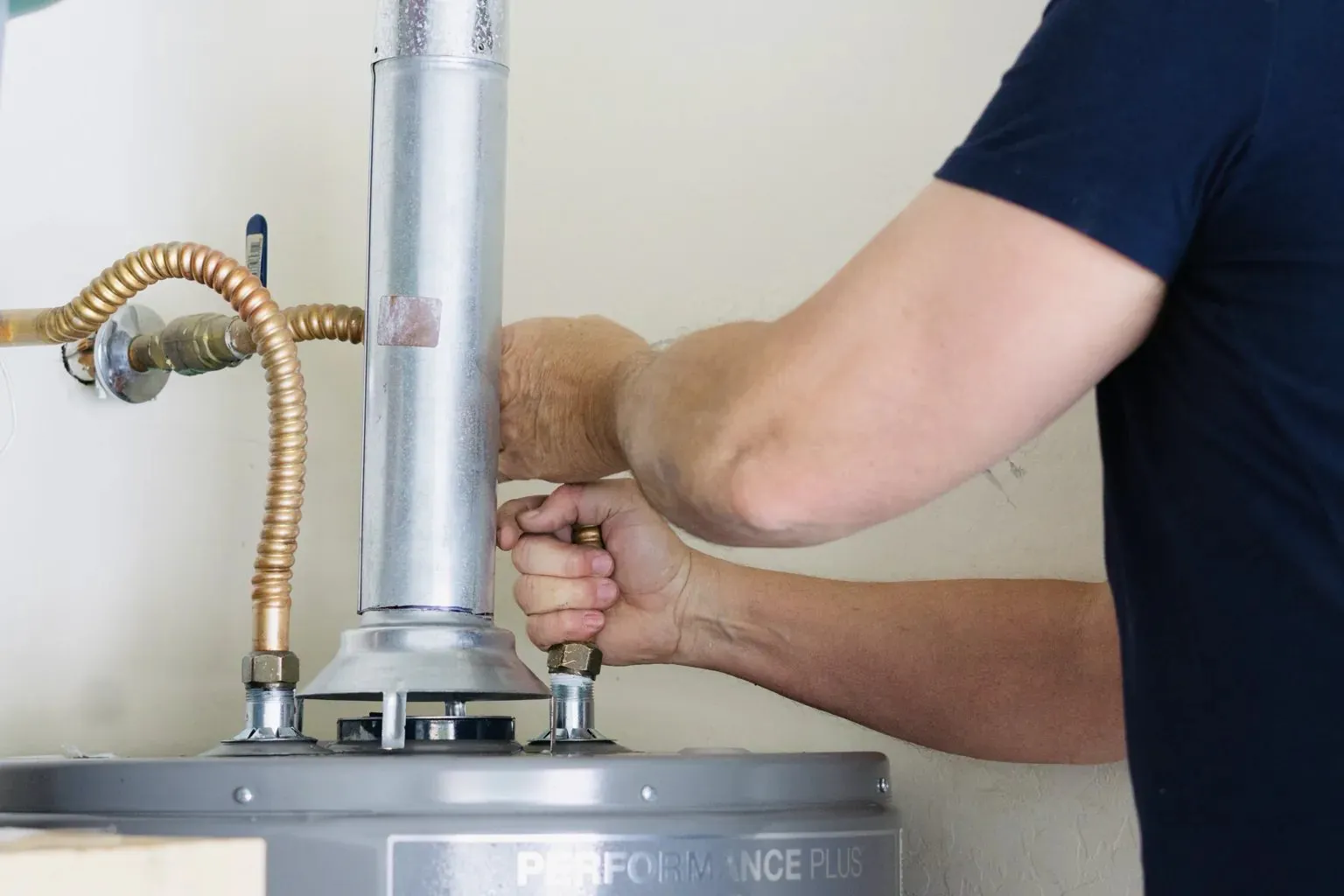
Water Heater Installation
Tank water heater replacement and tank-to-tankless conversions in San Antonio, with the right city permit, correct gas sizing, and a flat-rate quote before work starts.
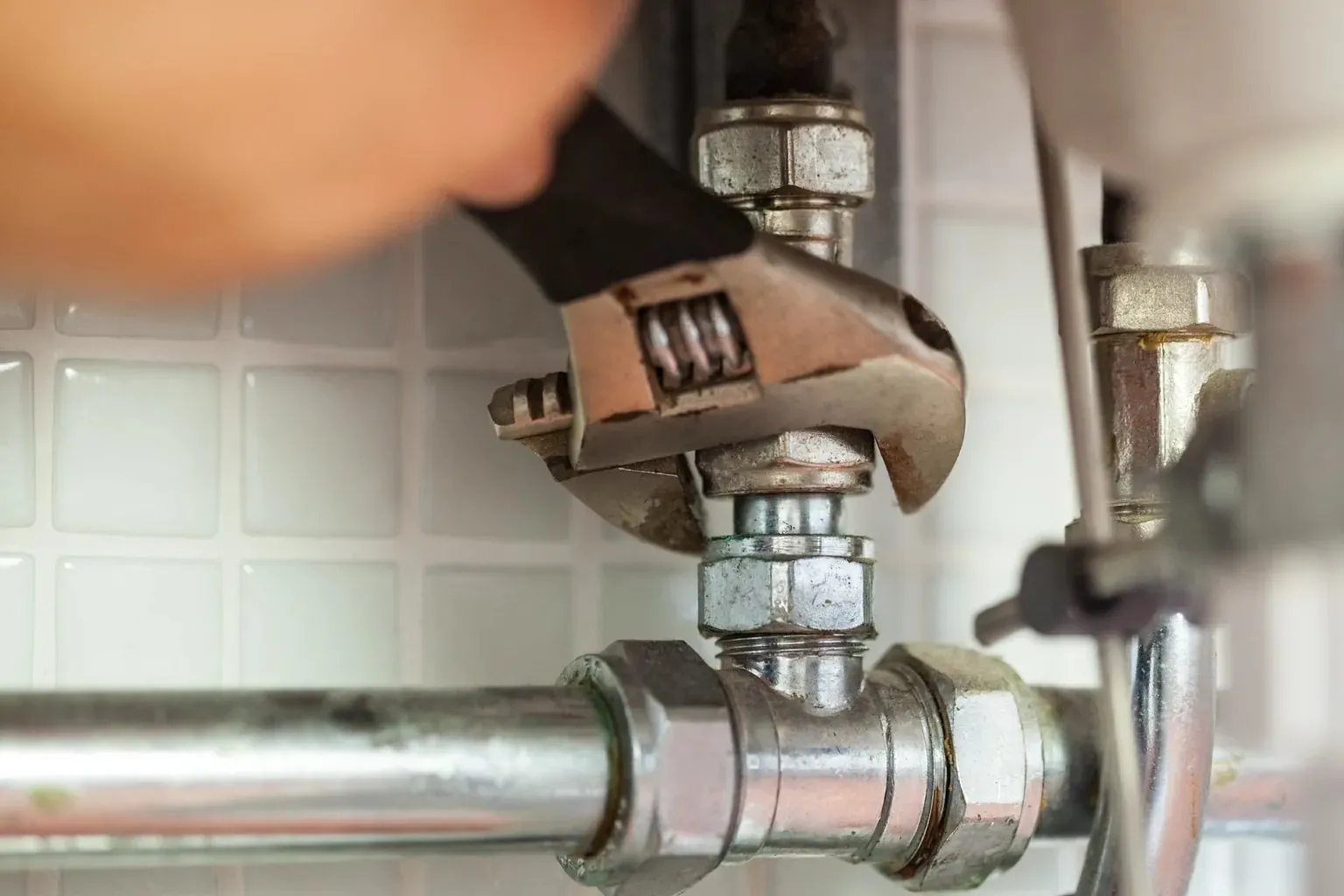
Residential Plumbing
Full-service plumbing for San Antonio homeowners — from routine repairs to complex jobs handled with honesty and care.