

In San Antonio, a gas line permit comes from the city’s Development Services Department (DSD) through BuildSA, and a Texas-licensed master plumber pulls it. The only exception is a narrow homeowner affidavit for your own home, installed by you alone. After a city inspection passes, CPS Energy restores gas service. Everything past the meter is yours.
Updated September 2026. Written by Jim Rodela, Texas Master Plumber M-44546.
Key facts
- Who pulls the permit: a licensed master plumber or plumbing contractor applies to DSD for plumbing, gas and sewer permits (DSD plumbing application).
- Where: the city’s online portal, BuildSA. Inspections are scheduled there too.
- Homeowner exception: your own residence only, not a rental or business, and you must do the work “without the assistance of any person” (DSD homeowner affidavit).
- Gas back on: call CPS Energy at (210) 353-2222 only after every required release from the city. New construction uses (210) 353-4050 (CPS Energy Gas Service Standards §101.3).
- Ownership: CPS Energy owns the meter. You own, and must maintain, all piping and appliances downstream of it (Gas Service Standards §103, §602, §603).
- Code: San Antonio follows the International Fuel Gas Code (Gas Service Standards §203).
Who can pull a gas permit in San Antonio?
For almost every job, the answer is a licensed plumber. In Texas, the Texas State Board of Plumbing Examiners (TSBPE) licenses plumbers. A Master Plumber license covers unlimited plumbing, including natural gas piping. To contract with the public, the master plumber must also hold the Responsible Master Plumber (RMP) designation and carry insurance (TSBPE master plumber).
You can check any plumber in about a minute. Search the name or number on the TSBPE licensee list. Pocket Plumber’s license is M-44546, held by Jim Rodela as Responsible Master Plumber for Pocket Plumber LLC.
The homeowner affidavit: real, but narrow
DSD does let a homeowner permit their own plumbing, gas or sewer work. The affidavit sets hard limits:
- It must be your own residence. Rentals and businesses do not qualify.
- You must make the installation personally, without help from any other person.
- A city plumbing inspector still inspects the work.
So a friend who “knows gas” cannot help you on a homeowner permit, and a landlord cannot use it on a rental. If any of that does not fit, a licensed plumber must pull the permit.
Our honest advice: gas is the wrong place to learn. A bad joint does not drip. It leaks into your home.
The gas permit process, step by step
This is the sequence for a new gas line, an extension to a new appliance, or a remodel that moves gas piping inside San Antonio city limits.
- Plan the load and the route. The plumber adds up the appliances on the line (range, dryer, water heater, grill, pool heater, generator) and sizes the pipe for that load and the run length.
- Pull the permit in BuildSA. The licensed plumber applies to DSD before the work starts.
- Install to code. The piping goes in to the International Fuel Gas Code. Rigid steel or polyethylene systems normally run at CPS Energy’s standard 4 oz (7 inches water column). CSST systems can run at 2 psig with a regulator the customer installs downstream (Gas Service Standards §201).
- Leave buried pipe exposed. Underground piping stays uncovered until the inspector sees it. If covered pipe needs checking, the inspector can order it dug back up (§603).
- Pressure test and city inspection. The plumber tests the system and schedules the DSD inspection in BuildSA. The inspector approves the work or lists corrections.
- Get the release. A passed inspection gives the release that CPS Energy needs.
- Call CPS Energy. For remodels, added or reduced load, a moved service, or gas on/off, call (210) 353-2222 after all releases are in. New construction calls (210) 353-4050.
- Relight and check appliances. Once gas flows, each appliance is lit and checked.
What changes if you need more pressure?
Adding a big appliance can mean asking CPS Energy for higher delivery pressure. Per §203, a licensed plumbing contractor must check the pipe sizing first, and a pressure test is documented to CPS Energy. That is a planning step, not a quick switch at the meter.
Who owns what: CPS Energy or you?
CPS Energy’s standards are blunt. The customer “will design, own, install, operate and maintain all facilities beyond the CPS Energy point of delivery.” CPS “is not liable or responsible for gas piping and appliances located downstream of the gas meter” and “does not assume the duty of inspecting the Customer’s piping.”
| Part of the system | Who owns and maintains it | Source |
|---|---|---|
| Street main and service line up to the meter | CPS Energy | Gas Service Standards §103 |
| Gas meter (point of delivery) | CPS Energy | Gas Service Standards §103 |
| Yard line from the meter to the house | You, the customer | §602, §603 |
| Piping inside walls, attic and slab | You, the customer | §602 |
| Appliances and their connectors | You, the customer | §602 |
The standards also say yard-line maintenance “should include periodic leakage surveys.” If your home has an older buried yard line, a leak check is worth asking about.
Outside San Antonio city limits
Each city runs its own permits. Do not assume BuildSA covers you.
- Helotes: permits through MyGovernmentOnline (Helotes Development Services).
- Alamo Heights: MyGovernmentOnline, and plumbing permits require a state-licensed contractor (Alamo Heights permits, FAQ).
- New Braunfels: the city’s Building Division (Building Permits).
- Converse: ask the City of Converse directly before work starts.
We work in San Antonio, Helotes, Alamo Heights, Converse and New Braunfels, and we pull the permit for the right city.
What about a red tag?
A red tag is a utility’s way of locking off a meter or appliance because of a safety defect. The general pattern is: the owner has a plumber fix the defect, then the utility checks it and restores service (Direct Energy explainer). The exact local steps depend on the defect, so call us and we will tell you what your tag needs. If you smell gas right now, stop reading and follow our smell gas guide.
When to call a plumber
Call a licensed plumber before any of these:
- A new gas line to a range, dryer, outdoor kitchen, fire pit, pool heater or generator. See gas line installation.
- Moving gas piping during a kitchen or bath remodel.
- A gas smell, a hissing sound, or a failed pressure test. See gas leak repair.
- Hooking up a new gas appliance. See gas appliance hookup.
We quote a flat rate before work starts, and the permit and inspection steps are part of the plan, not a surprise later. Curious what a line usually runs? Read the gas line cost guide. Ready now? Call (210) 753-2290, Monday to Friday 8am to 5pm, with emergency service after hours.
Sources
- City of San Antonio DSD, plumbing permit application: https://docsonline.sanantonio.gov/FileUploads/dsd/Plumbing_App09.pdf
- City of San Antonio, BuildSA: https://www.sa.gov/Directory/Departments/DSD/BuildSA
- City of San Antonio DSD, plumbing contractors: https://www.sa.gov/Directory/Departments/DSD/Contractor/Plumbing
- City of San Antonio DSD, homeowner plumbing affidavit: https://docsonline.sanantonio.gov/FileUploads/dsd/PLUMBINGHOMEOWNERAFFIDAVIT.pdf
- CPS Energy, Gas Service Standards (2021-03-15): https://www.cpsenergy.com/content/dam/corporate/en/Documents/Gas_Service_Standards_CPSEnergy.pdf
- CPS Energy, natural gas safety FAQ: https://www.cpsenergy.com/en/about-us/energy-safety-and-preparedness/natural-gas-safety-faq.html
- TSBPE, master plumber: https://tsbpe.texas.gov/license-types/master-plumber/
- TSBPE, licensee list: https://tsbpe.texas.gov/free-licensee-list/
- City of Helotes, Development Services: https://helotes-tx.gov/departments/development-services/
- City of Alamo Heights, permits: https://www.alamoheightstx.gov/services/development/building-and-misc-permits/
- City of New Braunfels, Building Permits: https://newbraunfels.gov/3433/Building-Permits
- Direct Energy, what a red tag means: https://www.directenergy.com/en/learn/home-maintenance/what-is-red-tag-on-heater
Related services
Continue with another service
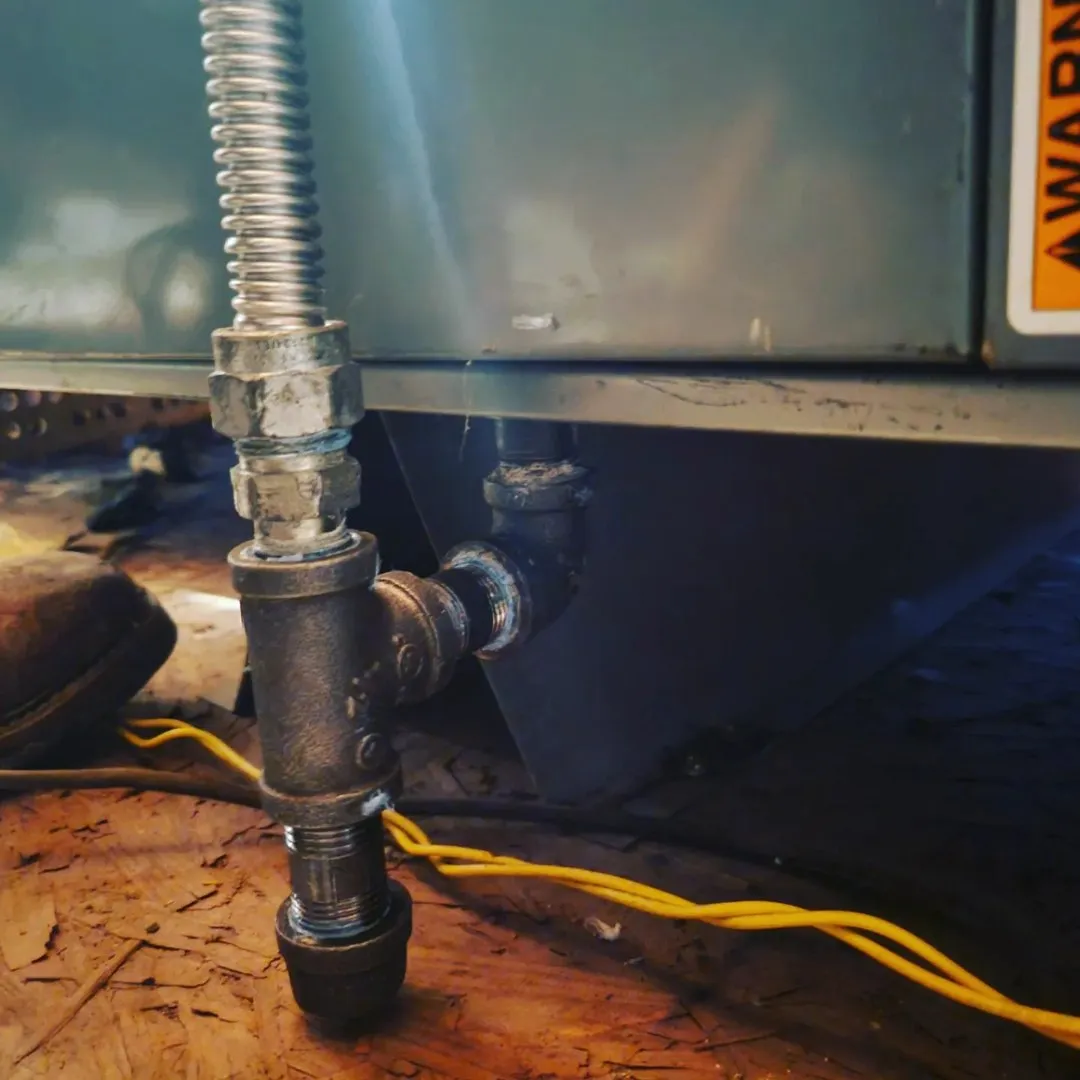
Gas Line Installation
New natural gas lines for homes, businesses and pool builders in San Antonio: ranges, dryers, outdoor kitchens, grills, fire pits and pool heaters, plus pool filler lines. Sized right, permitted, pressure-tested and inspected.
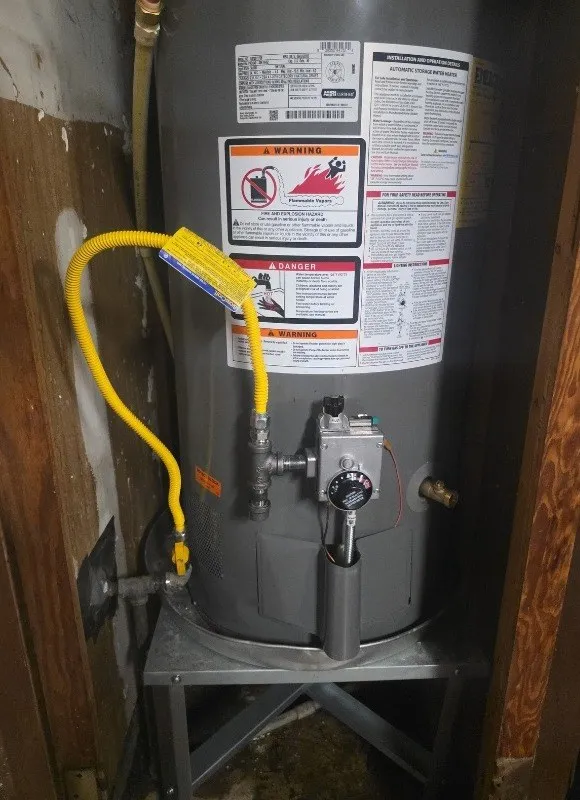
Gas & Service Plumbing
Fast scheduling for gas line service and general plumbing needs, backed by a quality guarantee on every job.
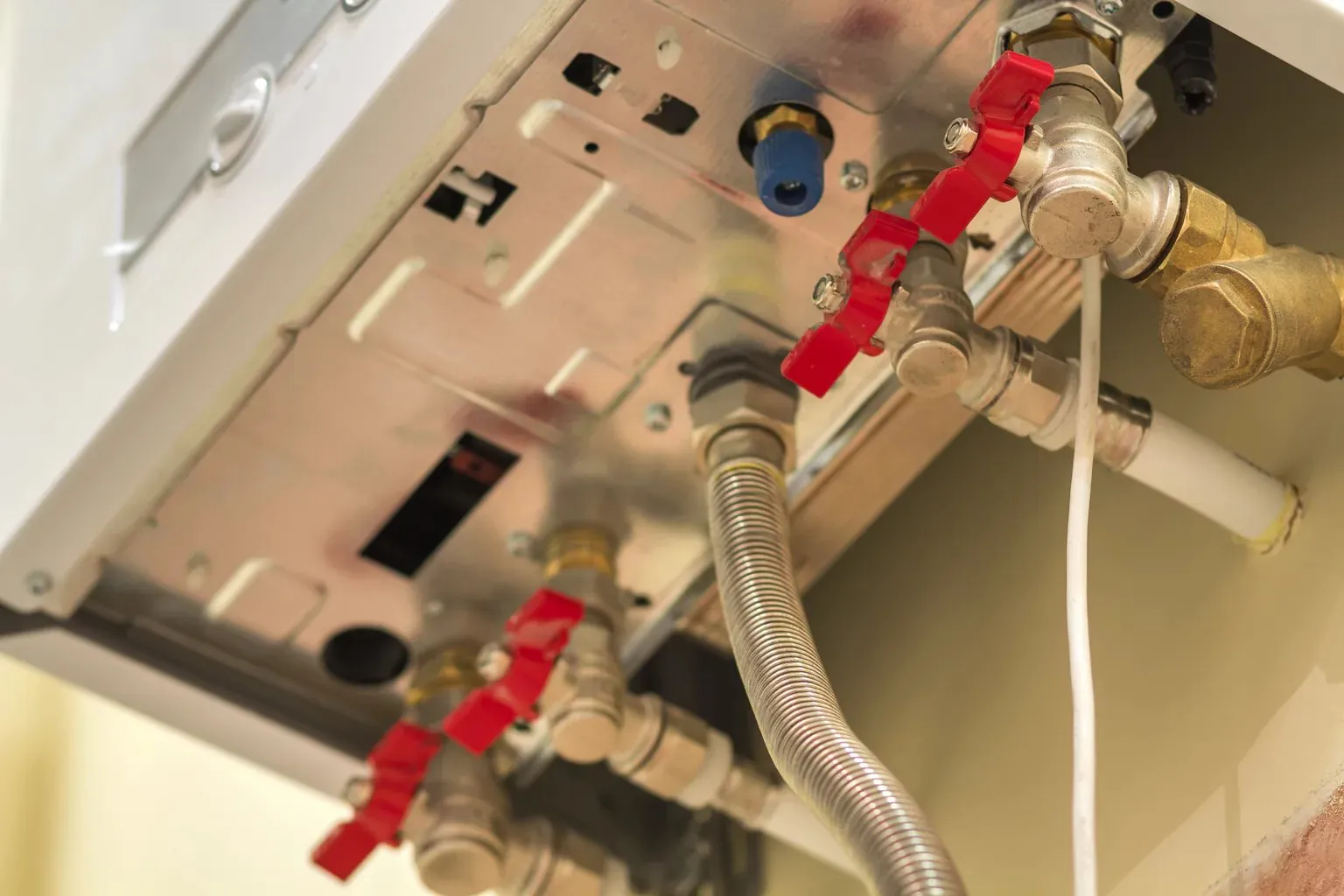
Gas Leak Repair
Gas leak detection and repair in San Antonio: we find the leak, fix the piping, pressure-test the system and take it through inspection so service can be turned back on.
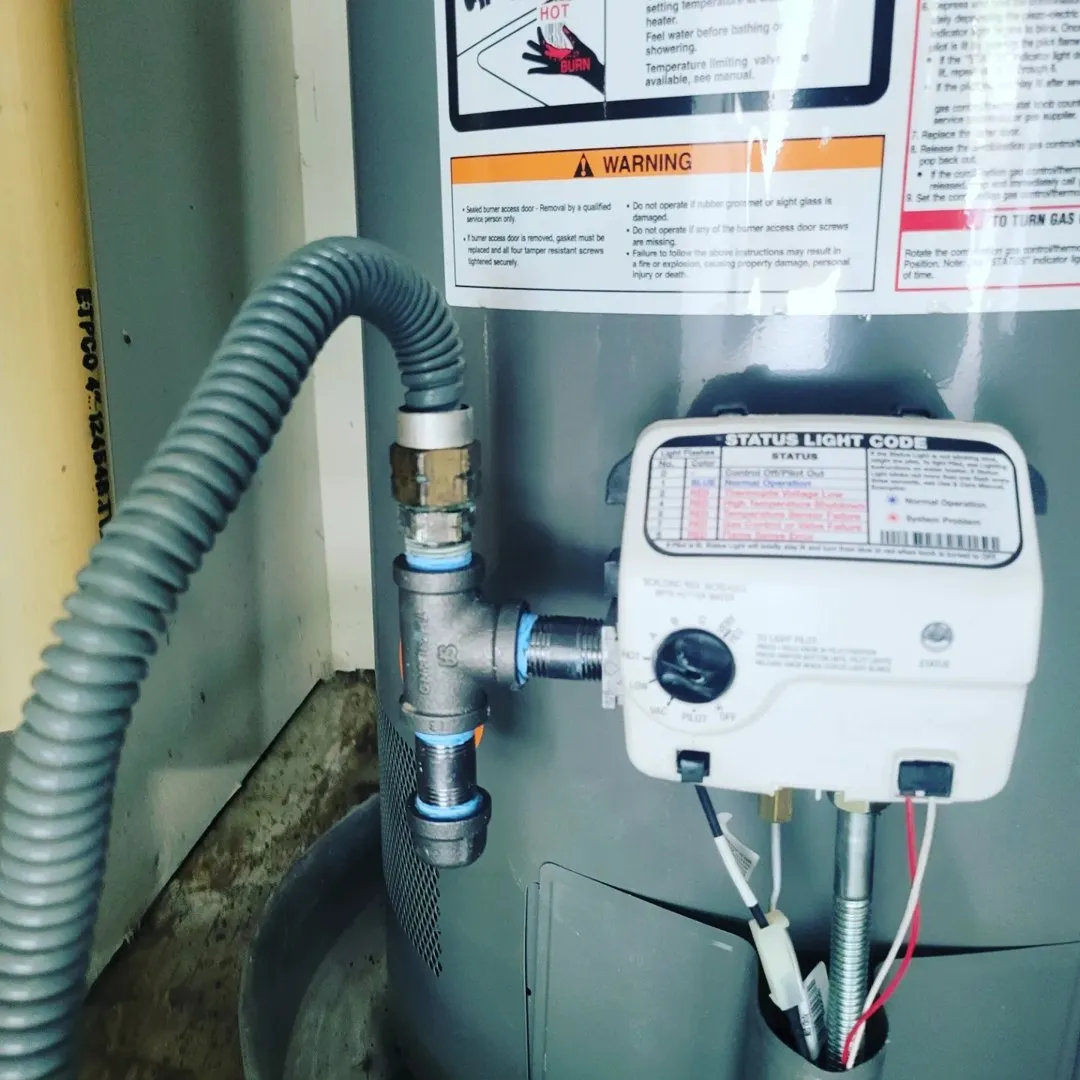
Gas Appliance Hookup
Gas hookups in San Antonio for ranges, cooktops, dryers, water heaters and fire pits, with a new listed connector, an accessible shutoff valve, a sediment trap where code calls for one and a leak check before we leave.